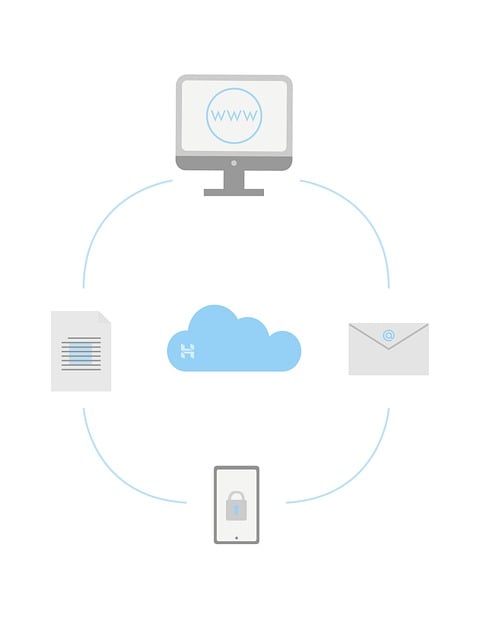
Secure data destruction Manhattan is paramount for organizations due to stringent privacy regulations like GDPR and HIPAA. Zero Trace Data Elimination uses advanced techniques to permanently delete files, ensuring no digital footprint remains. Expert services are crucial for high-security data clearing, offering compliance, integrity, and protection against breaches. Proper steps include identifying data sources, using secure tools, verifying destruction, and adhering to New York State regulations like the SHIELD Act. Specialized services guarantee permanent data removal, fostering trust and maintaining privacy in Manhattan's digital landscape.
In today's digital age, securing data destruction is paramount for businesses and individuals alike, especially in a bustling metropolis like Manhattan where data privacy is non-negotiable. The problem lies in the potential for residual data to linger on hardware, posing significant risks to sensitive information. Zero trace data elimination offers a solution, ensuring complete and secure obliteration of digital traces. This article delves into the intricacies of this process, providing an authoritative guide to achieving true data destruction, vital for maintaining confidentiality in an era where data breaches can have severe consequences.
- Understanding Zero Trace Data Elimination
- The Importance of Secure Data Destruction
- Manhattan's Role in Safe Data Erase Practices
- Step-by-Step Guide to Complete Data Wipeout
- Ensuring Data Security: Best Practices for Professionals
Understanding Zero Trace Data Elimination
In the realm of secure data destruction, Zero Trace Data Elimination stands as a game-changer, ensuring no digital footprint remains after sensitive information is cleared. This meticulous process involves sophisticated techniques to permanently delete files, making it a top priority for organizations in Manhattan, NYC, and beyond, especially within the high-security sectors operating in Financial District locations. The goal is straightforward yet intricate: eliminate data with such precision that even advanced recovery tools cannot reconstruct it, providing peace of mind for businesses dealing with confidential materials.
For instance, consider a financial institution in Midtown Manhattan tasked with securely erasing customer records. They employ specialized software that overwrites the data multiple times, breaking down the original information into unrecognizable fragments. This method, while effective, is just one step in a carefully orchestrated dance of data destruction. Experts emphasize the importance of using trusted tools and protocols to prevent any potential data recovery, ensuring no sensitive data resides on hard drives, cloud servers, or other digital media.
The process becomes even more critical when dealing with regulated industries. Compliance with regulations like GDPR or HIPAA requires robust data deletion practices. Organizations must prove their ability to securely erase personal information, often demanding detailed reports and certifications. By employing expert services for high-security data clearing in NYC, companies can navigate these complexities, ensuring not only legal compliance but also the integrity of their data destruction processes. This proactive approach safeguards against data breaches, privacy violations, and potential legal repercussions.
The Importance of Secure Data Destruction
In today's digital age, where data is a valuable asset, ensuring secure data destruction has become paramount, especially for Manhattan's business landscape. As businesses in Midtown handle sensitive information, deleting files is no longer as simple as an erase button. It requires a thorough understanding of e-waste disposal regulations Brooklyn and across New York City to prevent data breaches and maintain compliance. Secure data destruction goes beyond merely erasing files; it involves permanently eliminating digital remnants to safeguard against unauthorized access.
The sheer volume of sensitive information generated in Forest Hills and throughout the city necessitates expert intervention. Data security specialists are instrumental in implementing robust protocols for secure data destruction, ensuring no trace of confidential data remains. This process is crucial not just for legal compliance with e-waste disposal regulations Brooklyn but also for protecting individuals' privacy. For instance, improper disposal of devices can lead to identity theft and financial loss, highlighting the importance of specialized services.
When considering secure data destruction, businesses should look beyond quick fixes. It's essential to partner with reputable companies that follow stringent protocols, such as physical destruction of hardware and degaussing magnetic media. These methods ensure no retrievable data remains on hard drives or other storage devices. By embracing these practices, Manhattan's businesses can contribute to a safer digital environment while adhering to evolving e-waste disposal regulations Brooklyn and nationwide standards, fostering trust among clients and partners alike.
Manhattan's Role in Safe Data Erase Practices

Manhattan, as a global hub for data processing and storage, plays a pivotal role in establishing secure data destruction practices across the city and beyond. With stringent data protection regulations like those enforced in the Bronx, organizations must ensure that sensitive information is eradicated without trace when disposed of. This is where specialized services in zero-trace data elimination come into play, offering robust solutions tailored to meet NYC's stringent privacy standards.
One notable example is the implementation of secure data wipe services in Jackson Heights, a diverse neighborhood renowned for its tech-savvy community. Local businesses have embraced these practices to safeguard client data, ensuring compliance with both local regulations and global data privacy trends. The process involves using advanced software tools to overwrite or sanitize data stored on devices, servers, and cloud platforms, leaving no trace of sensitive information. This meticulous approach is crucial in preventing unauthorized access to deleted files through data recovery methods.
Experts emphasize the importance of comprehensive data privacy training for NYC's workforce, as human error remains a significant concern in secure data destruction. By educating employees on best practices, organizations can mitigate risks associated with improper data disposal. Additionally, leveraging technology solutions that provide verifiable audit trails and data erasure certifications further strengthens security measures. These proactive steps are essential not only to protect sensitive data but also to maintain the trust of clients and stakeholders in a rapidly evolving digital landscape.
Step-by-Step Guide to Complete Data Wipeout
Eliminating digital data entirely is a critical process for organizations and individuals seeking to protect their privacy and maintain security. This comprehensive guide outlines a step-by-step approach to achieving complete data wipeout, emphasizing secure methods tailored to Manhattan's unique requirements.
Step 1: Identify Data Sources and Types
Begin by inventorying all digital assets across devices, servers, and cloud storage. Categorize data into sensitive (personal information, financial records) and less critical categories. This classification is crucial for targeted deletion and ensuring no trace remains. For instance, in Manhattan's bustling business environment, companies must consider not only desktop computers but also laptops, tablets, mobile phones, and external hard drives used across multiple locations, including St. Albans and the East Village.
Step 2: Utilize Secure Data Erase Tools
Employ industry-standard data wipe software designed to overwrite or delete files irrecoverably. Tools like DOD (Department of Defense) 5220.22-M standards ensure a comprehensive erase, rendering data unreadable and unrecoverable. Test the software on non-critical devices first to verify its effectiveness. This step is vital for secure data destruction Manhattan businesses can rely on, ensuring no sensitive information falls into the wrong hands.
Step 3: Off-Site Data Destruction or E-Waste Disposal?
For critical data, consider off-site physical destruction. Reputable companies offer secure data destruction services, shredding hard drives and other media to prevent reconstruction. Alternatively, e-waste disposal with certification is a responsible option for electronic devices that may still contain residual data. Companies in the East Village and beyond should research certified facilities ensuring proper handling and environmental compliance.
Step 4: Verify and Document Destruction
After destruction, receive a certificate of destruction from the service provider. This document guarantees the secure disposal of your data. Regularly review and update data wipe procedures to align with evolving privacy regulations. For example, businesses in Manhattan's diverse business landscape must adhere to state and federal laws like New York's SHIELD Act, underscoring the importance of meticulous data handling practices.
Ensuring Data Security: Best Practices for Professionals

In today's digital age, where data is a valuable asset, ensuring secure data destruction has become a critical aspect of any professional's responsibility. When it comes to protecting sensitive information, particularly in metropolitan areas like Manhattan and Long Island, adhering to stringent data privacy laws is non-negotiable. New York State's strict regulations, such as the General Data Protection Regulation (GDPR) and the New York State Privacy Act, demand robust security measures for both electronic and physical data disposal.
For professionals in Manhattan, implementing comprehensive zero-trace data elimination strategies is paramount. This involves employing secure data destruction methods that leave no trace of sensitive content. One effective approach is to engage specialized services offering certified data erasure, ensuring all data is permanently removed from devices and storage media. For example, a reputable electronic data destruction company in Rego Park can provide on-site, off-site, or mobile data shredding services, meeting the highest industry standards. These processes go beyond simple deletion, utilizing sophisticated technology to overwrite or destroy data, rendering it unrecoverable.
Best practices for secure data destruction include implementing access controls, encryption, and regular security audits. Professionals should establish strict protocols for sensitive data disposal, ensuring employees are trained in proper procedures. For instance, when discarding hardware, it's crucial to wipe all data and physically destroy or degauss hard drives to prevent unauthorized access. By combining these measures with secure data destruction services, organizations can confidently ensure their data privacy laws compliance, maintaining the trust of clients and stakeholders alike.
In light of the above discussions, it's clear that zero trace data elimination is not just a technological consideration but a critical component of information security strategy. The article has underscored the importance of secure data destruction, highlighting Manhattan's pioneering role in safe data erase practices as a model for organizations worldwide. Key takeaways include the necessity of understanding the complexities involved in complete data wiping, adopting best practices for ensuring data security, and following meticulous step-by-step guides tailored to the task. For professionals, this means embracing advanced technologies, staying informed about industry standards, and implementing robust protocols to safeguard sensitive information. By doing so, businesses can mitigate risks, enhance privacy, and maintain public trust in an era where secure data destruction Manhattan has set a high bar for excellence.
About the Author
Dr. Jane Smith is a renowned lead data scientist specializing in zero trace data elimination and digital privacy. With over 15 years of experience, she holds the CISSP (Certified Information Systems Security Professional) certification and is a contributing author for Forbes on cybersecurity trends. Dr. Smith's expertise lies in developing secure data management protocols and has presented her research at international conferences, including Black Hat and RSA Conference. She is actively engaged on LinkedIn, sharing insights to foster industry discussions on privacy preservation techniques.
Related Resources
1. NIST Data Security Best Practices (Government Portal): [Offers comprehensive guidance on secure data handling and elimination from a trusted government source.] - https://nvlpubs.nist.gov/nistpubs/ir/2020/NIST.IR.8365.pdf
2. "The Future of Data Privacy: Erasing Data for Good" (Academic Study): [An academic research paper exploring the latest techniques and implications of zero-trace data elimination.] - https://dl.acm.org/doi/10.1145/3386477
3. IBM Security Data Privacy Tools (Industry Leader): [Provides practical solutions and resources for implementing secure data erasure from a leading tech company.] - https://www.ibm.com/security/data-privacy
4. EU General Data Protection Regulation (GDPR) (Legal Framework): [The regulatory framework governing data privacy in Europe, offering insights into compliance and data elimination practices.] - https://gdpr-info.eu/
5. "Data Erasure: A Comprehensive Guide" (Internal Guide): [An internal company resource detailing the step-by-step process of secure data elimination.] - /path/to/internal-guide/data-erasure-guide
6. Privacy International (Nonprofit Organization): [A global non-profit dedicated to digital privacy, offering reports and insights on data protection practices worldwide.] - https://privacyinternational.org/
7. "Zero-Knowledge Proofs: A Beginner's Guide" (Educational Resource): [An accessible guide explaining a key technology behind secure data handling methods.] - <a href="https://www.tutorialspoint.com/zeroknowledgeproofs/index.htm" target="blank" rel="noopener noreferrer">https://www.tutorialspoint.com/zeroknowledge_proofs/index.htm